

"A household located in North London is looking for an exceptional and qualified instructor to assist their smallest child on his first steps to becoming an British gentleman."
Looking at this post, you might easily skip the term "beginning" as mere figurative language.
But, it could be the most significant part of this distinctive job advert, as it attempts to find a mentor for a infant.
Numerous of applications have already been received since the anonymous family posted their request for the £180,000 per year tutor, who needs to be "a uniquely qualified person".
Over the last few weeks, the advert has attracted attention in the media, with several questioning why?
Forward-Thinking Method
Adam Caller, head and founder of an education consultancy, which is assisting the family in their quest, said that despite first doubt, he viewed the plan "far sighted", and "advanced".
When he consulted the family, he said they appreciated the unusual character of their demand, and how immature their son is.
But, they explained that they "preferred not to postpone any longer" to hire a tutor, as they had held off until their elder sibling was five, and by that age "cultural conditioning had by then taken hold".
What exactly did the family mean by "cultural predisposition"?
It's "everything", the expert responded. "The way you eat, the way you speak".
He said the elder child had picked up "very nuanced, body language" from the family, and had adopted their cultural habits. The family told Adam they wished to avoid history to repeat itself with their new baby.
The intention: To engage a British tutor, who should speak with standard English accent, to influence the baby from the very start.
Subtle Influence
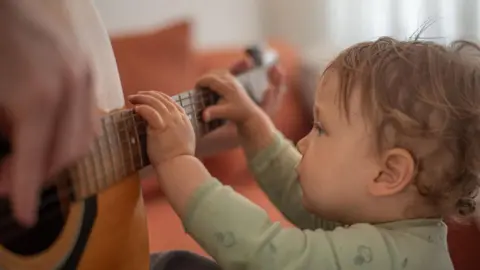
"A great deal of the learning at the start here is rather osmotic," said the CEO.
It's via this subtle influence that the family are expecting the child will adopt the UK customs they wish to instil.
Adam noted the tutor must be an individual who studied at "prestigious academies – the same kinds of schools as the family plan to send their son to".
"The instructor just has to be the right kind of person, they'll be carrying out things they don't even know they're doing, simply by nature," he said.
Money No Object
The family explained to him the selected educator should preferably also have knowledge of or enthusiasm in horse riding, alpine skiing, artistic pursuits and music so as to shape the child in a wide range of hobbies.
Additionally though, he stated the family wanted the tutor to sign up the child on a selection of lessons so the child would be "pony-riding and picking up an instrument by the time they are approximately three years old".
In the family's perspective, assisting their son develop into a "British gentleman" will bring about accomplishment and open doors.
"Taking into account the advantages and disadvantages of that, because it's undoubtedly a status symbol," he adds.
However, despite all this tutelage in "UK identity", could the child pick up so-called cultural leaning from the globally influenced family he is raised by regardless?
"Certainly", answered the CEO. "The family understand this might not succeed, but they've merely embraced the attitude of, 'why not attempt it and let's go as quickly as we can', because the cost of it is not relevant," he stated.
Overly Optimistic
Several in the private teaching field who have those reservations.
Another CEO, head and founder of a tutoring service, who also offer individual instructors, stated that "the process of becoming bicultural, or indeed, becoming oneself, is something that must be experienced personally, not designed."
Peter explained that he had emigrated from China to the United Kingdom at the period of childhood, and had been educated understanding and practicing both cultures. He went on to study at Cambridge University.
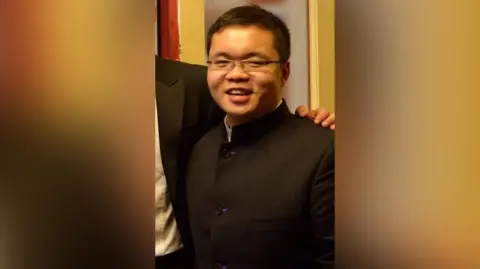
"The idea that a single person can function as a representation of UK identity, a person who can possibly transplant the characteristics of a English gentleman to a infant child, appears idealistic and unfeasible," he wrote.
"From my perspective, employing a typically UK tutor from early childhood will will not necessarily create the outcome they want.
"I wasn't provided with that kind of mentor, and nevertheless I have been lucky enough to live several of the situations they desire for their son."
He added: "The truth is, personal identity should not be imposed from the outside; it must be chosen, and it must be internally driven."
Acquiring Englishness
Naturally, UK identity is something Adam believes can be educated – and commercialized.
"I think the situation that the global community regards us in this respect is something that we should be cherishing|valuing|appreciating


